It’s there again. That knot in your stomach. The deadline is almost here and you haven’t even started. Maybe it works its way into full-blown anxiety. What do you do?
Count the days. The hours. How close can you push it before it reaches a critical point?
This cycle of procrastination perpetuates itself over and over. Work projects, household chores, and even the things you want to do for your own happiness are back-burnered.
You feel guilty, ashamed, worried, and frustrated all the time.
You’ve asked yourself hundreds of times, “Why do I procrastinate?”
The cyclic worry prompts more questions.
What if I put in a lot of time and effort and it doesn’t go well?
Where can I find the motivation to do this project?
When I’m miserable because it’s hanging over my head, why can’t I get started?
And though you can’t seem to grasp the answers, you know that procrastination is postponing joy in your life. Understanding the reasons why we procrastinate is helpful in changing this insidious habit.
1. If I Can’t Do It Perfectly, Why Bother?
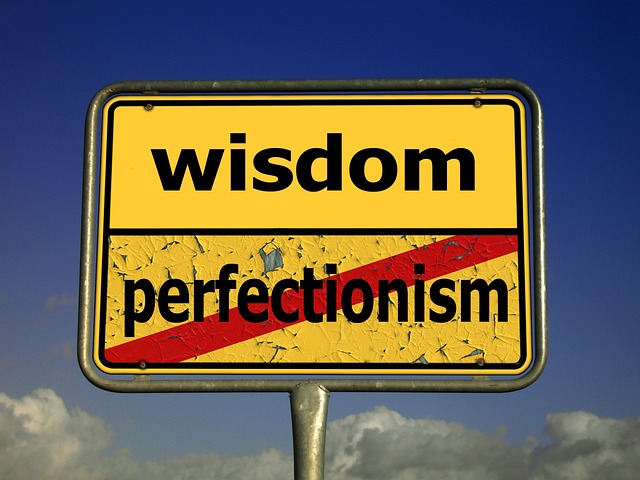
What’s wrong with wanting flawless results? Lots. Procrastination and perfectionism are kissin’ cousins.
As you contemplate the task at hand, you’re imagining a perfect outcome. You lock that image in your mind as non-negotiable.
You’ve set yourself up to flub the perfect outcome. High expectations often lead to deep disappointment.
Upon further consideration, you decide to postpone the project because you already know it won’t meet your specifications for perfection. Why bother if it won’t be exactly what you imagined?
Guess what? It’s perfectly okay to make mistakes even if you are experienced with the task you’re working on.
Perfectionism is not your friend. Allow yourself to be perfectly imperfect and start the project now instead of that murky later on.
2. What If It’s an Epic Fail?

Okay. So some mistakes are acceptable. But what if you start the work and it goes horrifically wrong? You anticipate feeling disappointed in yourself…and you mentally berate yourself before you even try.
But would failure really be so bad in the grand scheme? No. It’s how we learn new things and grow in experience and wisdom.
Advice: make yourself vulnerable and step up to the challenge.
So what if there’s a baseball-size hole in the drywall? It can be repaired.
Maybe the flowers you planted in your landscape didn’t grow. You learned something new about gardening and you can adjust accordingly.
You received a rejection letter for the article you submitted to an online publication. No big deal. Keep submitting. It will eventually be a great fit for the right publication.
Get the idea? Failing requires courage. Courage inspires learning and growth.
Take some advice from author J.K. Rowling: “Failure is so important. We speak about success all the time. It is the ability to resist failure or use failure that often leads to greater success. I’ve met people who don’t want to try for fear of failing.”
Ask yourself another question. What is the worst thing that could happen? This question helps put things in perspective. Typically you’ll see that the worst outcome isn’t all that bad after all.
Set aside your fear of failing and get started. The rewards will be surprising.
3. Or Worse Yet, What If I Succeed?
Fear of success seems counterintuitive. Why would anyone not want to succeed in any venture? Many reasons.
Some people fear the ripple effects of success. More responsibility. Higher profile. Too much attention. Possible public speaking. Outgrowing a circle of friends or even family. Not being able to duplicate the success.
Eli Straw, sport psychology consultant and mental game coach identifies symptoms of fear of success as blending in, self-sabotaging, and making excuses. Rationalizing this way keeps you frozen in place.
Even when you know that achieving the goal could propel you to greater happiness, you still put off your success.
Overcoming this fear requires self-reflection. You may want to talk it out with someone – a trusted friend or a therapist. Get some perspective so you can get to the root of the issue.
Success is something to enjoy. Allow yourself to accept your own greatness. Holding back is a disservice to yourself and to others who may benefit from your talent and abilities.
4. Where Do I Even Begin?
You have so many ideas, plans, and projects to do. It’s overwhelming.
It’s common for procrastinators to feel overwhelmed. All those to-do’s ricocheting around in your mind feel like a heavy cloud sitting on your shoulders.
As long as you continue wrestling with everything you need to get done, you take your usual path – procrastination.
Until you find a way to sort the list outside of your head, you can’t effectively prioritize what needs to be tackled first.
Start with a brain dump on paper or screen. Then it’s much easier to see what really needs to be done instead of laying awake at night counting tasks instead of sheep.
Determine the priorities. Chunk the task into manageable steps. Schedule the time it will take.
Take the first step by starting with…the first step. That step leads to another. Notice the motivation building with the end in sight. Imagine how your accomplishment will feel when the job is done.
5. Why Aren’t There More Hours in the Day?

At the end of the workday, it’s hard to muster the energy for yet another task or project. By the end of the week, you just want to chill on the couch and binge-watch Netflix.
Yet those projects hang over your head like a swinging axe. How can anyone be reasonably expected to jump into another task? Even the small ones can seem daunting.
The path of least resistance is to procrastinate under these conditions.
It’s time to make a to-do list and estimate the time needed to complete the work. Again, chunk the job into manageable steps. Schedule blocks of time for each time chunk.
When you are mentally prepared and know there’s a discrete timeframe for a single step, it can help motivate you to your feet to do something.
Another approach to managing time is called the “unschedule.” Citing from the book The Now Habit, anti-procrastination expert, Nils Salzgeber, recommends you first schedule fixed commitments, self-care activities, social time, and at least one hour a day of play as well as one full day off per week. Projects and tasks get scheduled after the rest of your activities are on the calendar.
How can unscheduling this way possibly work? It seems illogical. However, it permits you to see how you spend your time and that you may not have enough time to do everything you think you need to.
You can be more realistic and less overwhelmed by all those projects running through your head 24/7. It also alleviates the guilt that can be paralyzing to a procrastinator. Unschedulers often find they get more done.
Time does not have to be the enemy.
6. Do I HAVE to Do It Again?

Practice, practice, practice. We get the need for practice when it comes to sports, music, or art. To build a skill, you must repeat the process to become adept.
Overcoming procrastination is no different.
Rather than wrestling with guilt, shame, and frustration, finding what works best for you comes with actually stepping up to the challenge.
Become a do-er by doing. Start small. Take baby steps when things seem daunting.
Build doing into a routine. Lather, rinse, repeat.
To develop a habit, repetition is essential.
Just Do It
Imagine how it will feel when your tasks and ideas become a reality.
Picture how lovely the sconces look hanging on the living room wall. Only you know that you had to patch a couple of holes and touch up the paint before you got the job done.
Enjoy the colors and fragrances of your flower garden now that you researched and re-planted the best plants for the soil type and amount of light.
And how will you feel when you get the acceptance message that your article will be published? A sense of accomplishment and value that is exhilarating.
Releasing the apprehension and fear so you can begin and complete your projects is how you can let go of procrastination. It takes introspection and self-awareness.
You are the expert on yourself, so you can find that inner understanding if you make the effort.
So let go of procrastination and begin your joyous life!
 Sherri DeRhodes - Freelance Writer