
You’re chatting with a friend when suddenly you can’t find the word you need.
You’re running late for an appointment and you “misplaced” your keys.
These are only two examples of how our memories can fade into the recesses of our minds.
Memories are important to everyday living. Without them, how could we know how to drive a car, do our jobs, or pass an exam?
But don’t worry. It happens to everyone.
And…you can do something about it.
This article offers actions you can take to improve memory for retention, learning, health issues, or age-related concerns.
Are you ready to sharpen your recall? Let’s take a look.
1. Fuel Your Memory with Nutrient-Packed Foods
The fuel you give your body affects just about everything you experience as a human being including your memory.
Eat these foods to improve memory:
- Fatty fish like salmon for omega-3 fatty acids that feed the brain
- Fresh fruits like blueberries for antioxidants that protect the brain from free radicals
- Dark green veggies like broccoli for vitamin K that’s anti-inflammatory
- Whole grains and seeds like pumpkin seeds rich in minerals
- Dark chocolate that’s 70% or higher
- Coffee and green tea both have caffeine to increase brain function
- Eggs for B vitamins that support brain function
- Nuts for healthy fats and vitamin E that acts as an antioxidant
In addition to what you should eat, avoid these foods:
- Refined foods like sugar, white flour, and starchy foods
- Processed foods, especially meats
- Excessive alcohol
- Fast food laden with unhealthy fats, refined carbs, and processed ingredients
- Vegetable oils containing omega-6 fatty acids
Certain supplements are especially helpful for memory maintenance:
- Turmeric
- Alpha GPC
- Huperzine A
- Vitamin B complex
- DMAE
- L-Tyrosine
- L-theanine
- Ginkgo biloba
- Guarana
Remember to nourish your body and your brain for better recall.
2. Exercise Your Body and Brain to Amplify Your Recall Power

Everyone has heard the doctor recommend more exercise. Physical exercise impacts your ability to remember.
Think of your brain as another muscle you can exercise.
Engage in Regular Physical Exercise
Blood flow is key for memory retention and recall. Do something aerobic to increase blood flow to the brain where it promotes growth in the brain parts associated with memory.
Walk, run, circuit train, dance, bicycle – anything that gets your heart rate up for a minimum of 15 minutes in a workout.
The recommended workout time for a given week is 150 minutes. You’re looking at 30 minutes/day, five days a week.
A study from Dartmouth University suggests the intensity of exercise also makes a difference in the various types of memory, so make sure to keep your heart rate pumped up.
Brain Training Activities to Increase Brain Power and Memory
Experts have been recommending activities that sharpen our brains for a long time and for good reason. It works.
Besides crossword puzzles and sudoku, what else can you do?
Try these activities:
- Jigsaw puzzles are fun to do alone or with others.
- Playing board games, memory card games, chess, checkers, and even video games are great for people of all ages.
- Learn something new. Try a hobby, a musical instrument, or a new language.
Some of these less common suggestions can help increase your memory recall:
- Listen to music that activates memories from the past.
- Try tai chi or qigong which use gentle, fluid movements along with breath work to increase blood flow.
- Get your full eight hours of sleep every night.
- Try writing with your non-dominant hand. It feels strange, but it’s engaging unused parts of your brain.
Have fun and build your brain strength. It’s a win-win.
The Role of Meditation
Meditation is powerful. And its effects include brain health.
Twenty minutes a day is proven to reduce stress, improve memory, and increase IQ.
Short-term, long-term, and working memory all benefit from this mind-clearing, relaxing, and insightful practice.
It’s also notable that your brain wave patterns slow and deepen when you meditate allowing memories to surface.
Find a guided meditation online to help you get started.
3. Power Your Zzz’s: Quality Sleep for Optimal Memory Consolidation

Being well-rested makes a big difference in your ability to recall past events whether recent or in the distant past.
Experts recommend some simple guidelines:
- Stop using devices at least an hour before bedtime. The light can mess with your circadian rhythms.
- Hit the sack at the same time every night and get up at the same time every morning – even on the weekend.
- Avoid eating right before bedtime, and stop caffeine and alcohol intake well before lights out.
- Make sure your bedroom is dark and keep the room cool.
- Invest in a mattress that fits you. Check out those that have dual controls if you have a sleep partner.
- Exercise during the day to prepare your body for a good night’s sleep.
- Nap during the day only if necessary. Naps can sap nighttime sleep quality.
Proper sleep is known to improve memory by as much as 20-40%. Achieving the REM stage of sleep is especially helpful in forming long-term memories.
While you sleep, your brain performs maintenance on itself. Memories get encoded and consolidated as neurotransmitters use this time to communicate with the brain.
Make time to snooze and your brain will thank you.
4. Tame Stress, Boost Memory: Effective Techniques to Unwind
Has it happened to you? You’re on a deadline and you’re racking your brain to remember some important data for the final report. But it just won’t come to you.
You throw up your hands in frustration and walk away to get coffee. After chatting with a co-worker for a few minutes, voila! The data comes back to you.
How did that happen? You were managing your stress, albeit unconsciously, and your brain was able to retrieve the memory.
When in a stressful state, the brain becomes forgetful. Stress hormones interfere with the memory-producing part of the brain.
Notice and address your stressors.
Some basic stress-busting techniques are:
- Meditation has a dual effect of rattling the memory bank and reducing stress.
- Conscious breathing returns your body systems to homeostasis after a stressful event.
- Awareness of work-life balance means stepping out of stress to enjoy your life.
- Boundary-setting is helpful when your plate is full.
- Manage your own expectations about people, outcomes, and your own abilities.
Indulge yourself on a regular basis and do something just for you. You can find time when it’s as important as caring for health and happiness.
5. Magnify Memory: Techniques to Supercharge Recall
Implementing ways to increase brain power and memory shouldn’t be dull or daunting.
Make it fun.
Try using some of these methods to rev up your recall:
- Mnemonics uses acronyms, rhyming, and singing to name a few. They can help you associate the devices you create with information you need to remember.
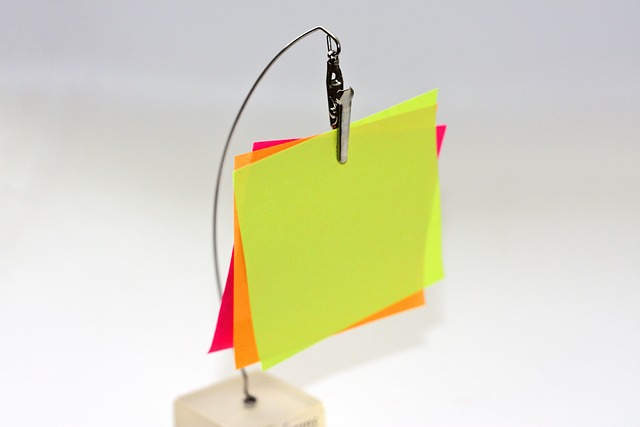
- Visual cues work well for those who process visually. Pictures, post-it notes, index cards, and flashcards are both visual and repetitive and help solidify information in your mind.
- Another type of visual cue is to put items in places where you will notice them and remember something important. For example, a pill bottle on the nightstand reminds you to take your meds at bedtime.
- Use your mind’s eye and create images that you can associate with important things to remember.
- Brain apps are also popular but do the research. Not all experts agree the apps work to improve memory recall.
6. Unleash Emotions: Feelings Shape Memory
When someone asks you where you were or what you were doing on 9/11, your memory quickly responds.
That day stirred powerful emotions in us. As a result, your brain stored a memory that is specific and detailed.
Happy events have the same effect except the reaction is positive as is the memory.
Techniques to enhance emotionally charged memories are worth considering.
Your own voice on recordings from an earlier time and emotional state work well. Listen to yourself talk about a happy time and immerse yourself in remembering the feelings.
Listening this way opens up your brain’s ability to recall.
Eye Movement Desensitization and Reprocessing (EMDR) effectively calls up unpleasant emotional memories and helps reframe them for healing disorders like PTSD or depression. Find a reputable EMDR practitioner in your area and give it a whirl.
7. Master Memory at Every Age: Strategies for Different Life Stages
Whether you’re a high school student, a working professional, or a retired senior, everyone needs some help with recall from time to time.
Memory Empowerment: Tactics for Young Minds
Students of all ages seek ways to improve memory for studying. It’s not enough to take in new information. You need to be able to retrieve it.
Consider using some of the tried and true tactics:
- Use the mnemonic devices. Create those associations to connect and recall.
- Don’t be a wallflower. Raise your hand. Ask questions.
- Hone your critical thinking skills. Healthy skepticism and the questions you ask lead to good information you will remember easily.
- Follow Richard Bach’s adage, “We teach best what we most need to learn.” You be the teacher even if you don’t have any pupils in the room. Speaking aloud helps retention and recall.
- Study in different locations to stimulate your mind. Go to the library, a coffee shop, or a park. Perk yourself up and more info will stick.
- Chunk big information into smaller bite-size pieces. It’s akin to taking baby steps to get somewhere. Once you remember the pieces, you can connect them to get the whole picture.
- Repetition. Repetition. Repetition.
Memory Resilience: Techniques for Older Adults

How do you improve your memory as you age?
As we age, our bodies including our brains change. Getting the synapses to fire when we need them can be a bit more challenging.
The good news? You can do things to slow down the changes.
How do you improve your memory as you age? Try these ideas:
- Learn something new. It can be anything that strikes your fancy as long as you use your brain in a new way.
- Socialize to help your mood and foster a positive mindset.
- Wear your glasses and/or hearing aids! You need to see and hear if you want to remember.
- Use to-do lists, follow routines, and go at your own pace. Your calendar – paper or digital – is your friend.
Clear Your Mind and Improve Memory by Using These Tips
Whether you’re a student who needs to know how to improve memory for studying or a senior who wants to improve memory retention, these tactics will make a big difference.
Find those words and names that have been eluding you. Ace your final exams. Remember birthdays and special events with time to spare.
Add a few of these practices, and the time you invest will bring benefits you’ll enjoy.And remember to make it fun!
 Sherri DeRhodes - Freelance Writer